
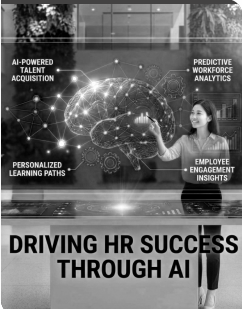
Driving HR Success Through Digital Transformation
In today’s fast-paced business environment, companies are increasingly recognizing the critical importance of transforming Human Resources (HR) through digital solutions. Digital transformation is no longer just a buzzword; it’s a necessary strategy for organisations aiming to achieve operational excellence and maintain a competitive edge. Leveraging technology allows HR teams to streamline processes, enhance employee engagement, and ultimately drive business success.
The Role of Technology in HR
At the forefront of this transformation are various digital tools that have revolutionized HR practices. Whether it's an AI-powered recruitment platform or employee self-service portals, these innovations significantly reduce administrative burdens. They empower employees to manage their own HR needs, leading to increased satisfaction and productivity.
For instance, during my corporate journey in various organisations, we successfully implemented an AI-driven recruitment platform. This transition not only reduced hiring time but also improved the quality of candidates we attracted. By automating repetitive tasks such as resume screening and initial interviews, HR teams can focus on more strategic aspects of recruitment, showcasing how technology can fundamentally transform HR functions.
Enhancing Remote Work Capabilities
The digital shift has also enhanced remote work capabilities, which have become more vital in today’s working landscape. The COVID-19 pandemic accelerated the adoption of remote work practices and highlighted the need for flexible work arrangements. Organisations that adopt digital tools to support remote work can offer employees a healthier work-life balance. Tools such as video conferencing, real-time collaboration software, and project management applications enable teams to function seamlessly, regardless of their physical location.
Furthermore, continuous learning platforms play a significant role in ensuring that employees remain prepared for future challenges. These platforms facilitate professional development and skills enhancement, fostering a culture of innovation and growth. By making learning resources accessible, organisations can encourage employees to seize opportunities for self-improvement and adapt to changing industry demands.
Cultivating an Employee-Centric Culture
As organisations pivot toward a more digital framework, prioritizing technology does not mean neglecting human connections. Rather, it's a harmonization of technology with interpersonal relationships. For instance, employee engagement tools that gather feedback and pulse surveys can help HR teams gauge employee sentiments, enabling them to make informed decisions. This data-driven approach allows organisations to create a more employee-centric culture that values input, appreciates diversity, and nurtures individual talents.
The importance of a positive employee experience cannot be overstated. Companies that invest in creating an engaging workplace not only retain top talent but also reap the rewards of increased productivity and loyalty. Building a strong employer brand through these initiatives is essential, as it directly impacts talent acquisition and retention.
Analytics for Continuous Improvement
As we continue our journey toward comprehensive digitalization, the potential of analytics to improve employee experience becomes increasingly apparent. Each advancement from digital onboarding processes to ongoing training initiatives signifies a commitment to evolving HR practices. Utilizing data analytics, organisations can identify trends, measure the effectiveness of their HR initiatives, and adjust based on real-time feedback.
For example, by analyzing hiring patterns, HR can better understand which sourcing channels yield the best candidates, thereby optimizing recruitment strategies. Additionally, measuring employee performance and engagement through analytics allows organisations to identify areas for improvement, creating a cycle of continuous enhancement.
Breaking Down Silos
One of the significant advantages of digital transformation is the ability to break down silos within organisations. HR departments can collaborate more effectively with other business units, leading to a more cohesive and integrated approach to achieving organisational goals. By leveraging digital tools that facilitate communication and collaboration, businesses can ensure that all departments are aligned and working towards the same objectives.
Cross-functional teams, empowered by technology, can share insights and best practices, drive innovation and improve overall performance. This collaborative environment fosters creativity and empowers employees to contribute to problem-solving and decision-making processes.
Overcoming Challenges
While the benefits of digital transformation in HR are substantial, organisations must also recognize and address the challenges that come with it. Resistance to change is a common hurdle, as employees may feel apprehensive about adopting new technologies. To mitigate this, effective management strategies are essential. Organisations need to provide comprehensive training and support to help employees transition smoothly to new systems.
Additionally, concerns about data privacy and security cannot be overlooked. As HR departments increasingly rely on digital solutions, they must ensure that sensitive employee information is safeguarded. Implementing robust cybersecurity measures and adhering to legal regulations regarding data protection is crucial for maintaining trust and compliance.
The Road Ahead
In conclusion, organisations that embrace HR digital reinvention position themselves for sustained success in an ever-changing business world. By integrating technology into the HR landscape, businesses can not only boost operational efficiency but also cultivate a vibrant culture that thrives on innovation and adaptability.
The journey of digital transformation is ongoing, and organisations must remain agile to keep pace with advancements in technology. The future of HR is not about replacing human interactions with machines but rather enhancing those interactions through digital tools. By embracing this philosophy, organisations can create a dynamic workplace where employees feel valued, engaged, and empowered to contribute to the organisation’s success.
As we look ahead, the possibilities for digital transformation in HR are boundless. From advanced AI applications to immersive learning experiences using virtual reality, the future promises exciting opportunities for growth and innovation. Organisation's that continuously adapt and evolve will not only stay competitive but also lead the way in creating workplaces where both people and businesses can thrive.
Bio:
Strategic HR leader with over 20 years of experience in Strategic Human Resources Management.
Currently, Hala Leads the HR strategies, and ensures that plans are aligned with business results and translated into concrete action and tangible results whilst delivering effective and efficient services and developing HR strategies to support the organisation’s growth and performance
Previously, Hala led the HR function, where she strategically partnered with the CEO and executive team and shared in the responsibility for sustaining and improving business results by aligning HR strategies and plans with our goals, translating them into actionable and measurable outcomes.
Areas of expertise include culture transformation, corporate strategy, talent management and development, employee engagement, HR digitalization, organisation development and change management
Education
- Master of Business Administration, AAST&MT, in affiliation with Central Michigan University.
List of Comments
Leave a Comment