
View Interview
 Interview
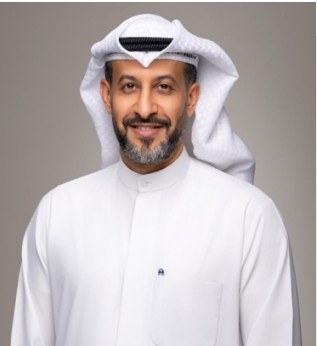
Abdulaziz Al-Roomi is the Assistant General Manager, HRG at Boubyan Group, with over 20 years of experience developing future leaders through innovative HR solutions, coaching, and managing people functions for global organisations. He is a two-me Amazon #1 bestselling author of Prevail, Survive & Thrive (co-authored with Joe Foster), and HR Hustler, and is widely recognised for his impact on leadership and strategic HR. He is the first HRCI Ambassador from the GCC, the first Arab member of the Forbes Coaches Council, and the first Kuwait to serve on the Harvard Business Review Advisory Council. Named among Arabian Business’s Top 100 Most Influenal Leaders as the only HR leader on the list, he is also a LinkedIn Top Voice and recipient of Best HR Leader and Best HR Expert awards. A TEDx speaker and acclaimed keynote speaker, his work has been acknowledged by global leadership and HR thought leaders including Dr. Marshall Goldsmith, Dr. Dave Ulrich, Dr. Jack Zenger, ATD President Tony Bingham, and other prominent business leaders.
Another pivotal moment was choosing to lead transformation projects that carried real organisational risk. Scale teaches you one brutal truth: leadership is not about control, it’s about clarity. At scale, your job is to design direction, empower decision-making, and trust systems—not micromanage outcomes.
I work on two levels simultaneously:
●At the enterprise level, I focus on culture, capability, and leadership architecture.
●At the individual level, I coach leaders to confront limiting beliefs, build self-awareness, and lead with intention.
When individual growth aligns with organisational ambition, transformation becomes sustainable. That’s where impact compounds.
Technology does not transform HR — courage does.
CHROs must stop using technology to automate old thinking and start using it to challenge legacy power structures, outdated performance models, and transactional mindsets. Having a bachelor degree in computer science and engineering, I can understand the value of technology, yet it all depends on how we use it to unleash human potential and maintain integrity and authenticity!
HR tech should free humans to be more human, more strategic, more empathetic, more data-informed. If culture doesn’t evolve, tech becomes an expensive filing cabinet.
Policies follow belief systems. Capability follows intent.
We need leaders who:
●View talent as a national asset, not a cost line.
●Embrace experimentation over perfection.
●Reward learning velocity, not just experience tenure.
The Middle East has ambition, capital, and demographic advantage. What’s needed now is psychological safety at scale—to innovate, fail fast, and reimagine work for the future. People in the middle need to understand that current management practices are mostly developed from a western mindset, thus many best practices fail to leave the same impact in practice as they do in textbooks, so we need to adapt such practices within our environment and company cultures.
Memorable leaders are not remembered for their dashboards, but for how they made people feel seen, challenged, and trusted.
To remain human:
●Listen more than you speak.
●Be consistent under pressure.
●Lead with values when it’s inconvenient.
●Choose fulfillment, fulfillment comes from being authentic and having integrity in everything you do, especially as a leader.
●Always remember, whatever you do, people will remember and will shape your legacy!
AI can optimise performance, but only humans can inspire belief. Legacy is emotional, not analytical.
When you invest deeply in leadership capability, everything else—engagement, performance, innovation—becomes easier. Strategic HR is not about managing people; it’s about multiplying leadership