
View Interview
 Interview
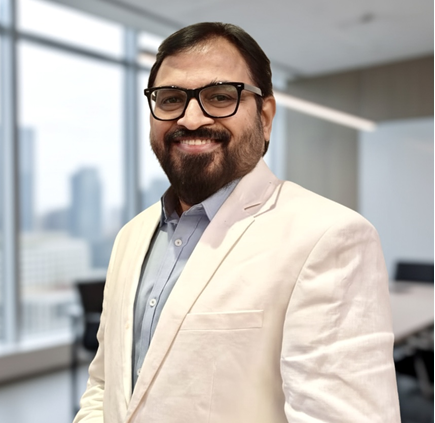
Strategic HR Visionary | Culture & Change Catalyst | Transformaon Leader A contemporary HR thought leader with over 25 years of cross-sectoral HR leadership, a forwardthinking HR strategist renowned for building future-ready organizaons and architecng cultures of high performance. His career spans Manufacturing, Telecom, Engineering, FMCG, IT/ITeS, and Agri-Tech—where he has consistently enabled business growth through people-centric transformaon. Currently serving as Vice President & Head HR at Tropilite Foods Pvt Ltd, partners with Boards and CXOs to align people strategy with innovaon, agility, and sustainability. His experse includes digital HR transformaon (SAP SuccessFactors, Leena AI), strategic workforce planning, organizaonal design, leadership pipeline development, and union negoations. He has successfully led large-scale transformations including end-to-end HR digitization (Hire to Retire ERP rollouts), built resilient HR governance frameworks, and championed D&I and ESG agendas in complex organizational ecosystems.
I also believe in a simple
#3C approach in HR —
#Connect with people genuinely,
#Collaborate with the business, and stay
#Consistent in doing the basics right.
Do the basics well, stay grounded, and trust will naturally follow—that’s how
Sometimes a simple “How can I help?” makes a team happier than any policy.
Simple example: If onboarding is manual and slow, HR professionals can suggest a simple checklist or digital tracker. Small improvements like these build credibility and gradually open doors for bigger change. Like you can also create a "dynamic hiring tracker" towards change and innovation.
For example, a mentor might guide you on how to handle your first interview, choose the right role, or manage a tough situation in a college project. Remember, things you won’t always learn from books.
These small experiences teach you how change really works, listening to people, handling resistance, and getting results together.
Start small, reflect often, and connect people's actions to outcomes-that’s how one should learn.
Here is a simple example:
A delivery manager is responsible for reducing project delays. HR supports with a short upskilling program on cloud and agile practices. The delivery manager coaches the team on live projects, assigns real tasks, and reviews progress in weekly sprint meetings. Project delivery improves.
In simple terms, learning succeeds when leaders own the outcome and HR acts as an enabler and governance partner, not the sole owner of L&D.
A simple example:
An employee joins every meeting and completes assigned tasks on time, but never shares ideas, asks questions, or takes initiative - This is activity.
Engagement shows up when the same employee speaks up, suggests improvements, and feels responsible for outcomes.
The first clear signal:
When people are busy but silent, it's activity. When they are involved and proactive, it’s engagement.