
View Interview
 Interview
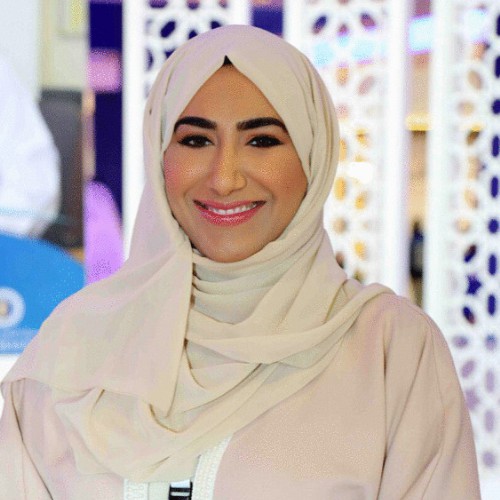
Safiya Al Matrooshi
Head of Human Resources & Administration, Emirates National Facility Management
Mrs. Safiya Al Matrooshi joined EnFM as Head of Human Resources & Administration. With over 28 years of experience spanning government, finance, hospitality, and facilities management, she is a seasoned leader in strategic human capital management, organizational development, and policy implementation. Mrs. Safiya holds an MBA and is CIPD certified, bringing a wealth of expertise in driving people-centric strategies at the executive level.
Q:What is one leadership skill that universities don’t teach but is essential in the real world?
A:I believe universities teach many valuable leadership theories, but the real learning often happens through practical experience by observing leaders, learning from mentors, and going through real workplace challenges. If universities and companies work together to design such leadership programs for young professionals, it would create a great opportunity to bridge the gap between theory and real-world leadership.
Q:What systemic barriers still limit women in senior leadership, and how can organizations address them structurally?
A:While many organizations have embedded diversity and inclusion into their culture and policies, systemic barriers still exist—particularly in talent pipelines, access to leadership roles, promotion transparency, and pay equity. Unconscious bias can also continue to influence decisions despite formal frameworks. To address this structurally, organizations need to integrate diversity into manager KPIs, strengthen succession planning, and ensure transparent, standardized promotion processes. We also see this aligned with best practices under frameworks like the International Organization for Standardization. In the UAE, initiatives led by the UAE Gender Balance Council have been instrumental in increasing female representation at senior levels and shifting mindsets. Today, the focus is no longer on capability but on ensuring equal access and sustained structural accountability.
Q:As a woman leader in a transformation-driven role, how did you build credibility in rooms where you were the only woman?
A:Well, during transformation initiatives, especially when difficult discussions are taking place which might be related to restructuring or workforce adjustments, I focused on giving professional advice to leaders and ensured that every recommendation I made was practical, compliant, and implementable, whether it was manpower planning, policy restructuring, or cost optimization. This built natural trust and credibility, regardless of gender dynamics.
Also, in several leadership and board discussions, I was often the only woman in the room, especially in operational and cost-focused conversations. I built credibility by shifting HR conversations from ‘support function’ to ‘business impact.’ For example, for payroll optimization, I presented data-backed scenarios on cost reduction, retention risks, and operational impact. I linked workforce decisions directly to financial outcomes and service delivery.
That shifted the conversation. Instead of being seen as providing input, I became part of the decision-making core leadership team.
Also, in several leadership and board discussions, I was often the only woman in the room, especially in operational and cost-focused conversations. I built credibility by shifting HR conversations from ‘support function’ to ‘business impact.’ For example, for payroll optimization, I presented data-backed scenarios on cost reduction, retention risks, and operational impact. I linked workforce decisions directly to financial outcomes and service delivery.
That shifted the conversation. Instead of being seen as providing input, I became part of the decision-making core leadership team.