
View Interview
 Hot Seat
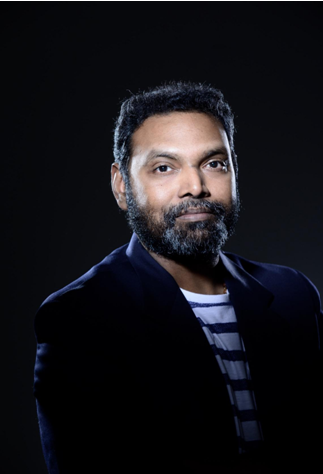
Sriram is an award-winning thought leader and a HAPPINESS@WORK expert. He is the author of the book HAPPINESS HABITS. He is a keynote speaker, consultant, teacher, trainer, writer and coach. Prior to this he was in HR for 27 years and has been a CHRO for 14 years and has experience in MNC, Indian and startup environments. He has worked at Arcesium, D. E. Shaw and Infosys.
He has been featured in TEDx| NASSCOM | Great Places to Work | AMCHAM | Top 50 leaders in South India | Economic Times | People Matters | Habit Coach Podcast etc.
As a coach, he is certified in several domains: ICF, NLP, Mindfulness, Happiness, Clear Beliefs and Life Wisdom Master Coaching. He is also a certified Unconscious Bias Trainer.
Sriram actively promotes the role of human-first practices and is on a mission to help companies create happy, harmonious, human-centric workplaces. His offerings are focused on Peak Performance, Well-being, Harmony, Inspiration, Transformation, Unconscious Bias, Wisdom Leadership and Future of Work.
To contribute, ask yourself:
● How can I meet others' expectations?
○ My Manager: Am I delivering on work, behaviors, and attitude?
○ My Teammates: Am I being collaborative and supportive?
○ My Company: Am I showing loyalty and professionalism?
● How can I be reasonable about my expectations?
○ From my Manager: Am I realistic about work allocation, recognition, and feedback?
○ From my Team: Am I expecting support while giving it?
○ From my Company: Am I understanding of compensation policies and constraints?
If we focus on understanding and meeting requirements while simultaneously being reasonable about what we want—by acknowledging the constraints and limitations of others—we create a culture of happiness. This balance is what helps us achieve it.
To build both, start with what is important:
1. Build excellence and mastery around what you are good at.
2. Do meaningful work and manage your emotions.
3. Become mindful: Learn to manage distractions to increase your "flow."
4. Find balance: Juggle your health, career, hobbies, and social life without compromising too much on any single front.
You achieve this by focusing on your daily habits and creating empowering rituals. If you do this, you will operate with a happier mindset and achieve high performance.
Imagine an excellent doctor who no one knows—it’s a disservice. Your skills remain underutilized, and your ability to make a difference is limited. So, even though we may be skilled, we need to do enough to showcase our abilities. It is a critical aspect of success that cannot be ignored.
Of course, if we market ourselves without the skills to back it up, we will eventually fall after the initial visibility fades. For HR and leadership professionals, personal branding is an area that needs focus—not to be overdone, but not to be ignored either. Be authentic, but don’t be shy to let others know that you can do a good job.
1.Deepen your knowledge: Learn as much as you can. Understand the different domains within HR and focus on going deeper rather than just staying on the surface.
2.Build bridges: Diverse relationships are key. Build good connections with everyone, not just your immediate circle.
3.Own your attitude: Don’t complain or slack off. Not everything will be perfect anywhere. If you don’t like something, talk about it constructively to the right people.
4.See the Big Picture: Always think beyond your immediate role. Ask what the function or company is trying to achieve and how you can contribute to that broader goal.
5.Innovate: Ask good questions and look for better ways to get things done. Aim for both micro and macro innovations—solve problems in a smarter way.
First, we must understand the cost: without emotional intelligence, we end up causing significant issues with team members and those around us. Without EI, the environment becomes psychologically unsafe, impacting trust and productivity.
To develop it, we must become self-aware of our triggers. Through that awareness, we learn to manage our responses better. We use the power of the "pause"—taking a moment to see if the meaning we are assigning to a situation could be different, and then choosing to respond in a calmer, more constructive manner.